
Not every ride calls for the same length of cycling short. Some days you want maximum airflow and freedom of movement; other days you want a bit more coverage on your knees and thighs. TJ Sports stocks both full-length women’s cycling shorts and 3/4 tights for exactly this reason — here’s how to work out which one suits your ride. It’s a small decision, but getting it right means fewer stops to adjust, less chafing, and a lot more comfort over a long ride — so it’s worth understanding the trade-offs properly rather than just grabbing whatever’s in the drawer. Below, we break down the real differences, when each length pulls its weight, and how to pick between them based on how, where, and when you actually ride.
What’s the Actual Difference?
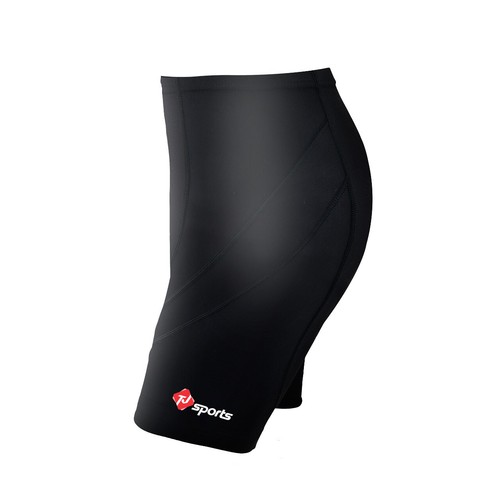
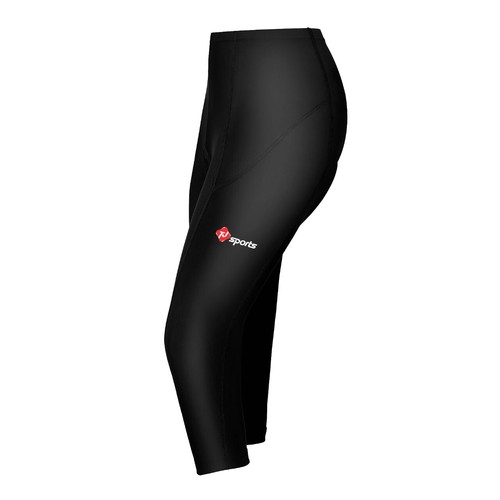
Full-length cycling shorts sit at or just above the knee and are built for warm-weather riding — light, breathable and unrestrictive. 3/4 tights extend further down, usually to mid-calf, adding coverage without the bulk or warmth of full leg tights. Both typically use the same quality chamois and compression fabric; the difference comes down to how much leg they cover and the conditions they’re suited to. The chamois itself is usually cut the same across both lengths within a range, so you’re not sacrificing padding quality by choosing one length over the other — you’re purely trading off leg coverage, warmth and airflow. Fabric weight is worth checking too: shorts are typically made from a lighter four-way stretch blend that dries fast, while 3/4 tights often use a slightly heavier compression knit through the calf to help with muscle support on longer efforts. Some 3/4 tights also add a touch of wind- or water-resistant panelling at the knee, which shorts don’t need since that area stays exposed.
When Full-Length Shorts Are the Better Pick
On hot Australian days, especially over summer, full-length shorts are usually the more comfortable option. Less fabric means better airflow and faster drying if you’re sweating heavily, and they give you unrestricted knee movement for high-cadence spin classes, criteriums or fast group rides. If you’re mostly riding indoors on a trainer or doing shorter, high-intensity sessions, shorts are typically the default choice. Full shorts also mean less fabric flapping or bunching around the knee when you’re out of the saddle climbing, which some riders find more distracting than they’d expect. If you’re new to cycling and building up your base fitness, starting with a pair of full-length shorts is usually the simplest choice — you’ll get plenty of use out of them across most of the year in Australia, and you can add 3/4 tights later once you know how much you ride in cooler conditions.
When 3/4 Tights Are the Better Choice
Once the weather cools off — early mornings, autumn and winter riding, or exposed coastal routes where the wind chill bites — 3/4 tights earn their keep. The extra fabric over your knees keeps muscles warmer, which matters for longer efforts where cold joints can affect your pedal stroke. They’re also a solid pick for gravel or trail riding, where the added coverage helps against branches, gravel spray and minor scrapes. If you do a lot of early starts or ride into winter, a pair of 3/4 tights is worth having alongside your regular shorts. A lot of Melbourne and Sydney riders in particular end up reaching for 3/4 tights more often than they expect, simply because early starts before work stay cool well into spring and autumn. They’re also handy if you’re sensitive to cold knees — a common complaint on descents, where wind chill bites even on an otherwise mild day. As a rule of thumb, if the morning temperature is under about 15°C, most riders find 3/4 tights more comfortable than bare knees in full-length shorts.
Matching Your Riding Style to the Right Length
If you’re still not sure, think about the kind of riding that makes up most of your week rather than the occasional outlier — it’s better to buy for your typical ride than your one big event of the year.
- Commuting or errands: full shorts for most of the year, unless you’re riding in the cold before sunrise
- Road riding and group rides: shorts for warm months, 3/4 tights once the mercury drops
- Indoor spin or trainer sessions: shorts, since airflow and heat management matter more than coverage
- Gravel or trail riding: 3/4 tights for the added knee coverage against branches and trail spray
- Long weekend rides in changeable weather: pack both, since Australian conditions can shift fast between morning and afternoon
A Quick Note on Sizing
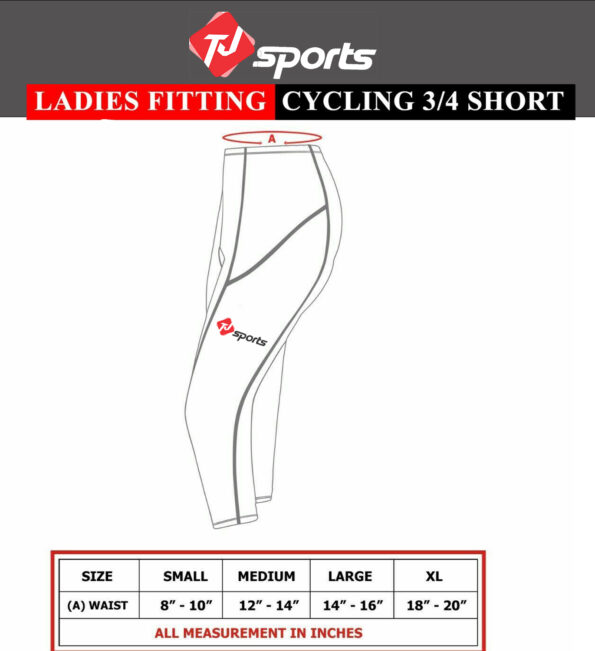
Whichever length you go for, check the size chart on the product page rather than assuming your usual size — cycling-specific cuts run differently to everyday activewear, and both shorts and 3/4 tights should feel snug and supportive without pinching at the waist or thigh. As a general guide, TJ Sports’ size ranges run from small (waist 8″-10″) through to XL (waist 18″-20″) — but sizing can vary a little between styles, so always check the chart on the specific product rather than relying on a previous order. If you’re between two sizes, sizing up is usually the safer call for the waistband, since a too-tight band is more uncomfortable over a long ride than slightly looser leg fabric. It’s also worth trying your shorts or tights in a riding position — bent forward, as you would be on the bike — rather than just standing in front of a mirror, since fit can shift noticeably once you’re in the saddle.
Caring for Your Shorts and Tights
Whichever length you choose, looking after the chamois properly makes a real difference to how long it stays comfortable. Rinse shorts and tights in cold water straight after a ride if you can, since sweat and salt left to sit can break down the pad’s foam faster. Wash on a gentle cycle with a mild detergent — fabric softener is worth avoiding, as it clogs the moisture-wicking fibres and reduces breathability over time. Always air dry rather than tumble dry; heat is one of the quickest ways to damage the elastane in the fabric and the padding in the chamois. Turning shorts inside out before washing also helps protect the outer fabric and grippers from abrasion in the machine.
Frequently Asked Questions
Can I wear 3/4 tights in summer?
You can, but most riders find them warmer than needed once the temperature climbs past the mid-20s. They’re not unbearable — the fabric is still breathable — but full-length shorts will generally keep you cooler on a hot day.
Do I really need both shorts and 3/4 tights?
Not necessarily — if you ride mostly in one season or mostly indoors, one length will usually cover you. But if you ride year-round outdoors, having both means you’re not stuck choosing between too cold or too hot on any given morning.
Can I wear regular underwear under padded shorts or 3/4 tights?
No — padded cycling shorts and 3/4 tights are designed to sit directly against the skin. The chamois needs to move with your body and stay in one place against the saddle; adding underwear introduces extra seams that can cause chafing and shift the pad out of position.
How do I know if I’ve got the right size?
A well-fitted pair should feel snug and supportive without pinching anywhere, and the chamois should stay centred without you needing to adjust it once you’re riding. If the waistband is leaving deep marks or you’re constantly pulling the shorts back into place, it’s worth sizing up.
How often should I replace my cycling shorts?
There’s no fixed timeline, but keep an eye on the chamois padding compressing and going flat, the leg grippers losing their elasticity, or the fabric thinning and becoming see-through when stretched. Once any of these show up, the shorts aren’t doing their job as well and it’s time for a new pair.
Wrapping Up
There’s no single right answer between shorts and 3/4 tights — it comes down to the weather, the ride, and how much coverage you want on the day. Many riders end up with both in the wardrobe and choose based on the forecast. Have a look through TJ Sports’ range of women’s cycling shorts and 3/4 tights to find the length that suits how and where you ride. Whichever length you land on, look after the chamois with the right wash routine and it’ll keep performing ride after ride. Browse the full range online, use the size chart on each product page, and get in touch if you’re ever unsure which fit is right for you.