
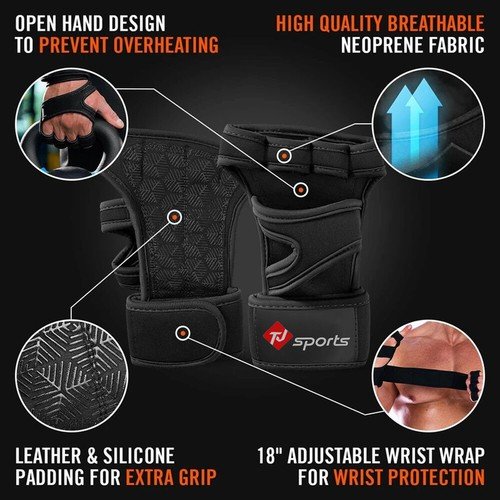
When you’re choosing between neoprene and leather gym gloves, the trade-off is simple: neoprene is lighter, more flexible and easier to wash, while leather is tougher and moulds to your hand over time. For most lifters, the smartest buy is a hybrid — leather padding in the palm for durability where the bar meets the skin, and a neoprene body for comfort everywhere else.
Material is one of the biggest factors in how a pair of gym gloves feels, lasts and performs. Get it right and your gloves disappear on your hands; get it wrong and you’re dealing with hot, stiff, or worn-out gloves within a few months. Here’s how the two most common materials compare, and how to pick the right one for your training.
What Are Neoprene Gym Gloves?
Neoprene is a lightweight synthetic rubber — the same family of material used in wetsuits. In gym gloves it forms the body of the glove: the back of the hand, the finger sleeves and often the wrist strap. It’s flexible straight out of the packet, which is why neoprene gloves feel comfortable from the very first set.
Pros of neoprene gym gloves
- Comfortable from day one. Neoprene stretches and moves with your hand, so there’s no stiff break-in period. The glove feels like it fits immediately.
- Breathable and quick-drying. Neoprene doesn’t hold moisture the way leather can, so your gloves dry faster between sessions — a real advantage training through an Australian summer.
- Easy to wash. Hand wash in lukewarm water with mild soap, rinse and air dry. Neoprene tolerates regular washing far better than leather.
- Lighter on the hand. Neoprene gloves typically weigh less, which some lifters prefer for high-rep and conditioning-style training.
- Affordable. Synthetic construction keeps costs down, so neoprene gloves are usually the friendlier option for your wallet.
Cons of neoprene gym gloves
- Wears faster under friction. Heavy bar work — deadlifts, rows, pull-ups — abrades the palm area, and neoprene gives up sooner than leather there.
- Less abrasion resistance. The same flexibility that makes neoprene comfortable means it’s not as tough against knurling and rough bar finishes.
- Padding can compress. In cheaper pairs the palm padding flattens over time, leaving you with less protection exactly where you need it most.
What Are Leather Gym Gloves?
Leather is the traditional gym glove material. Quality leather is cut for the palm — the high-wear zone — and sometimes the full glove. It starts firmer than neoprene but gradually moulds to the shape of your hand, which is why lifters who love leather tend to love it for years.
Pros of leather gym gloves
- Superior durability. Leather handles bar friction far better than synthetics. A well-made leather palm stands up to heavy deadlift and row volume for a long time.
- Moulds to your hand. Leather softens and takes the shape of your grip over the first few weeks, giving a custom-feeling fit that synthetics can’t match.
- Grip improves with wear. As the leather palm wears in, it develops texture that grips knurling confidently — many lifters say their leather gloves grip best after a month or two.
- Classic look and feel. There’s a reason leather has been the default for decades: it feels substantial and premium in the hand.
Cons of leather gym gloves
- Break-in period. New leather gloves feel stiff. Expect a couple of weeks of training before they loosen up and fit properly.
- Higher upfront cost. Quality leather costs more to source and work, so leather gloves sit at the higher end of the price range.
- Needs care. Leather shouldn’t be soaked or machine washed. Wipe it down, condition it occasionally, and let it air dry away from direct heat — neglect it and it cracks or goes stiff.
- Heavier and warmer. Leather is denser than neoprene, so full-leather gloves feel warmer and bulkier, especially in summer.
Neoprene vs Leather: Head-to-Head Comparison
Here’s how the two materials stack up across the factors that matter in the gym:
| Factor | Neoprene | Leather |
|---|---|---|
| Durability | Good; wears faster in the palm under heavy bar work | Excellent; the toughest palm material available |
| Comfort out of the box | Excellent — flexible from day one | Stiff at first; needs a break-in period |
| Breathability | Better — dries quickly, stays cooler | Warmer; holds moisture longer |
| Grip | Good, especially with silicone grip panels | Excellent once worn in; texture improves over time |
| Fit over time | Can loosen as padding compresses | Moulds to your hand for a custom fit |
| Care | Easy — hand wash and air dry | Needs wiping down and occasional conditioning |
| Price | More affordable | Higher upfront cost |
Neither material wins outright — they win in different areas. The right choice depends on how you train, which is where most buyers should focus.
Which Material Matches Your Training Style?
Choose neoprene if you train two to four times a week, run hot or sweat heavily, value comfort from the first session, and want gloves that are easy to wash and affordable to replace. Neoprene suits general fitness training, group classes and anyone who’d rather not fuss over glove maintenance.
Choose leather if you pull heavy regularly — deadlifts, rows and rack pulls are staples — train high volume, and want a pair that lasts. If you’re the type who buys once and keeps gear for years, leather’s durability pays off. Leather also suits lifters who like a firm, substantial feel in the hand.
Choose neoprene with silicone grip panels if sweaty hands are your main problem. The silicone adds friction that neither bare neoprene nor new leather can match on a humid day. Many modern gloves use this combination deliberately: a synthetic body for comfort with a grippy palm surface for security on the bar.
The Hybrid Option: Why Most Lifters Don’t Have to Choose
Here’s the thing most buying guides skip: you don’t have to pick one material for the whole glove. Many of the best gym gloves today are hybrids — a neoprene body for flexibility, breathability and comfort, with leather padding exactly where the bar sits in your palm.
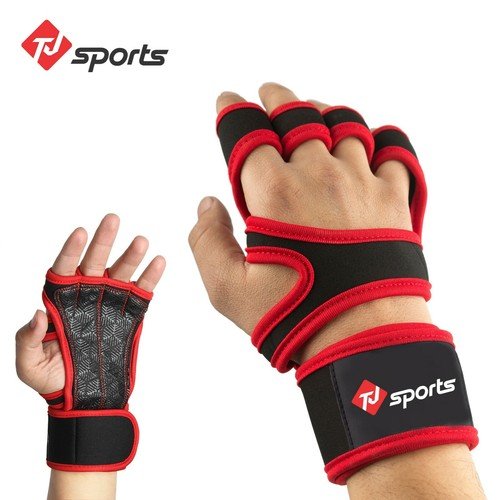
That combination is exactly how the TJ Sports glove range is built. The Ultimate Workout Gloves pair a top-quality neoprene body with thin leather padding and a strong silicone grip layer, plus Velcro wrist wraps for stability during pressing. The Tj Pro Gloves take a similar approach with leather palm padding against blisters and integrated wrist wraps for firm support. And the EXTREME GRIP WORKOUT GLOVES use a charmeuse and silicone anti-slip build with an extra wrap-around wrist strap for a locked-in feel.
The hybrid design means you get leather’s durability in the high-wear zone and neoprene’s comfort everywhere else — plus the easy care of a mostly-synthetic glove. For most lifters, it’s the practical answer to the neoprene vs leather debate. Every pair ships with free shipping across Australia and a 30-day easy returns policy, so you can train in them properly before committing.
If you’re still deciding between glove styles overall, our ultimate buying guide to gym gloves in Australia walks through fit, finger coverage and features in more detail.
Quick Checklist: Choosing Your Next Pair
Whatever material you lean towards, run through this checklist before you buy:
- Fit first. Gloves should sit snug with no loose fabric bunching in the palm. You should be able to make a full fist comfortably.
- Check the palm. This is the wear zone — look for leather or reinforced padding where the bar makes contact, especially if you deadlift.
- Look at the closure. Wide Velcro wrist straps keep the glove stable and add wrist support for pressing movements. Read our guide to gym gloves with wrist support if you press heavy.
- Consider your climate. If you train in a hot garage gym or through summer, prioritise breathability — neoprene and ventilated designs win here.
- Match the glove to your program. Pull-heavy programs reward durable palms; press-heavy programs reward wrist support; general training rewards all-round comfort.
Frequently Asked Questions
Are neoprene gym gloves good for weightlifting?
Yes, for most lifters. Neoprene gloves are comfortable from the first session, breathe well and are easy to wash. They’re a solid choice for general weightlifting. If you pull very heavy regularly, look for neoprene gloves with leather or reinforced palm padding — the hybrid design gives you comfort plus durability where the bar meets your hand.
Do leather gym gloves last longer than neoprene gloves?
Generally, yes. Leather handles bar friction better than neoprene and is less prone to wearing through in the palm. A quality leather-palm glove typically outlasts a pure neoprene pair under heavy training. That said, care matters: neglected leather cracks and stiffens, while a well looked-after neoprene pair can still give many months of solid service.
Can you wash neoprene gym gloves?
Yes — neoprene is one of the easiest glove materials to clean. Hand wash in lukewarm water with a mild soap, rinse well and air dry completely. Avoid washing machines and dryers, which break down stitching and Velcro faster. Leather gloves, by contrast, shouldn’t be soaked — wipe them down instead and condition occasionally.
Which gym glove material is best for sweaty hands?
Neoprene with silicone grip panels is the best pick for sweaty hands. Neoprene dries quickly between sets, and the silicone surface keeps the bar locked in even when your palms are damp. Leather absorbs moisture and can feel slippery before it’s worn in, so it’s a weaker choice for heavy sweaters.
Should I just buy hybrid gloves instead of choosing?
For most lifters, yes. Hybrid gloves put leather padding in the high-wear palm zone and neoprene everywhere else, so you get durability where it counts and comfort everywhere it doesn’t. It’s the most practical answer to the neoprene vs leather question — which is why most gloves in the TJ Sports range are built that way.