
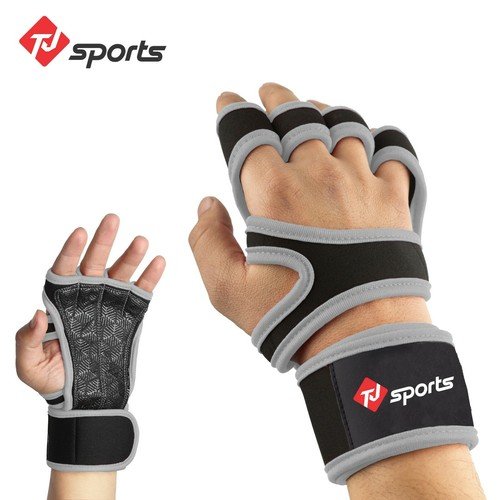
New weightlifting gloves almost always feel stiff on day one. The palm padding hasn’t compressed yet, the seams are still tight, and the wrist strap hasn’t shaped to your wrist. The good news is you can break in weightlifting gloves properly in just two to four sessions: start with lighter sets, flex and work the material between sets, and build back up to your normal weights gradually. Give them a week or two of steady use and they’ll fit like a second skin.
Why Do New Weightlifting Gloves Feel So Stiff?
That board-stiff feeling is completely normal, and it comes down to three things. First, the padding across the palm and callus line is at its thickest and least compressed when new — it needs a few sessions of gripping a barbell or dumbbells to settle into the shape of your hand. Second, fresh stitching and seams haven’t stretched or relaxed, so the glove doesn’t flex as freely as it will later. Third, the wrist strap or wrap is rigid at first; it softens and moulds to your wrist with repeated fastening.
This is a sign of a well-made glove, not a bad one. Cheap, flimsy gloves feel soft from the start and stay that way because there’s nothing substantial to break in. A pair of quality weightlifting gloves with padded palms and adjustable wrist support will feel noticeably better after your first week of training than on the day they arrived.
How Long Does It Take to Break In Gym Gloves?
For most lifters, it takes two to four training sessions — roughly one to two weeks of regular training. Thicker padding and leather palms take a little longer; thinner, more flexible gloves can feel right within a session or two.
If your gloves still feel wrong after a fortnight of consistent use, it’s probably not a break-in issue. Jump to the section on bad fit below — you may need a different size rather than more patience.
7 Steps to Break In Your New Weightlifting Gloves
Step 1: Start With a Lighter Session
Wear your new gloves for a lighter workout first — think warm-up weights or a machine-based session rather than your heaviest deadlift day. The goal is to let the padding compress and the seams flex under moderate load. Around 50–60% of your normal working weight is a good starting point. You’ll get the shaping benefits without the discomfort of wrestling a stiff glove around a heavy bar.
Step 2: Flex, Squeeze and Work the Palms Between Sets
Between sets, make a tight fist inside the gloves, then open your hand wide. Repeat a dozen times. You can also press the padded palm against a bar or the edge of a bench and roll it gently. This manual flexing speeds up what training alone would take several sessions to do — it works the creases where your fingers bend so the glove starts moving with your hand instead of against it.
Step 3: Set the Wrist Strap Right, Then Leave It Alone
Adjustable wrist support is one of the best features of a good pair of gym gloves, but it needs to settle into position. Fasten the strap to a comfortable tension — firm enough that your wrist feels supported, not so tight that your hand tingles — and try to fasten it in roughly the same spot each session. The strap will gradually mould to your wrist, and it’ll take less fiddling to get the same supportive feel each time you train. If you want to understand how wrist support should actually feel during pressing movements, our guide on Wrist Wraps: Benefits, How to Use & How to Choose explains the mechanics in detail.
Step 4: Build Your Load Up Gradually
Over sessions two, three and four, bring your training weight back up to normal. Each step up works the padding a little harder and settles the glove further into your grip. By the time you’re back at full working weight, the gloves should feel like part of your hands rather than something you’re fighting. This gradual approach also protects the stitching — hammering a stiff new glove with maximal loads on day one is how seams get stressed before they’ve had a chance to relax.
Step 5: Air Dry Them After Every Session
Moisture is the enemy of a good break-in. Sweaty gloves left balled up in a gym bag stiffen up again as they dry, and the padding can go lumpy. After each session, pull the gloves open, undo the wrist straps, and leave them somewhere with airflow — on top of your bag, near an open window, anywhere the air moves. Dry gloves stay supple; damp gloves fight you next session.
Step 6: Treat Leather Palms With a Little Care
If your gloves have leather or synthetic leather palms, you can help them along with a tiny amount of leather conditioner or even just the warmth of your hands — the natural heat and oils from your skin soften leather faster than anything. Work a pea-sized amount of conditioner into the palms, flex the gloves well, and wipe off any excess. Skip this step for pure fabric or mesh gloves; they break in through use alone.
Step 7: Wear Them Consistently — Don’t Give Up After Day One
The single biggest factor is simply wearing them. Gloves broken in over consecutive sessions mould faster and more evenly than gloves worn once a fortnight. If you train three to four times a week, you’ll barely notice the transition — the stiffness fades so gradually you’ll just realise one day they feel perfect.
What Not to Do: 4 Mistakes That Ruin New Gloves
- Don’t soak them in water. Submerging gloves to “soften” them warps the padding and can weaken adhesives and stitching. Damp is fine; drowned is not.
- Don’t machine wash or tumble dry them. Aggressive washing and heat are the fastest way to destroy palm padding and shrink or warp the fit. When they eventually need cleaning, hand wash gently and air dry — the same approach covered for ongoing glove care.
- Don’t blast them with a heater or hairdryer. Concentrated heat dries out and cracks leather and synthetic materials, and it can set the padding in a distorted shape.
- Don’t go straight to max-effort lifts on day one. A stiff new glove under a 1RM attempt is uncomfortable at best and risks overstretched seams or a compromised grip at worst. Follow the gradual build-up in Step 4.
How to Tell Your Gloves Are Properly Broken In
You’ll know the break-in is done when:
- The gloves close snugly around your hand with no pressure points or pinching.
- The wrist strap fastens comfortably in the same spot every session.
- The palm padding feels compressed but still supportive — not hard, not squashed flat.
- Your fingers bend naturally; the glove creases where your knuckles crease.
- They go on and come off easily, and you stop thinking about them mid-set.
That last point is the real test. Broken-in gloves disappear — you notice the bar, the weight, the rep. You don’t notice the gloves.
When It’s Not a Break-In Problem: Signs of a Bad Fit
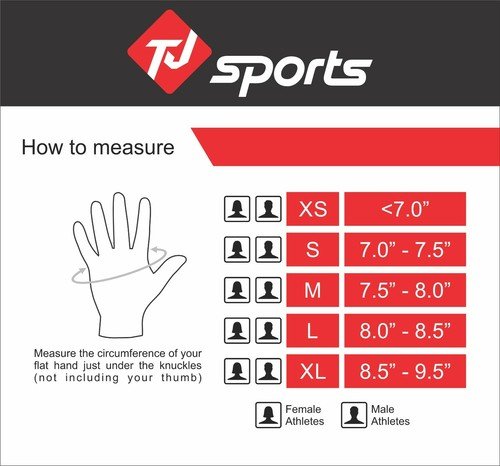
Sometimes stiffness is really a sizing issue, and no amount of wearing will fix it. Watch for these red flags after two weeks of use:
- Fingers are too long or too short. The glove should follow your hand’s proportions. Excess material at the fingertips bunches and reduces grip control.
- The wrist strap can’t close comfortably. If you’re straining to fasten it or it digs in even when loose, the size is wrong.
- Numbness or tingling. Some firmness is normal; cutting off circulation is not. If your hands go numb, size up.
- Blisters forming where padding bunches. Padding should distribute pressure, not create new pressure points.
If any of these sound familiar, don’t force it — check our Gym Gloves Australia buying guide or read up on how to choose gym gloves with the right materials and fit before your next pair. A glove that fits correctly from the start breaks in faster and lasts longer.
Frequently Asked Questions
How long does it take to break in weightlifting gloves?
Most lifters break in new weightlifting gloves within two to four training sessions, or about one to two weeks of regular training. Thicker padding and leather palms take a little longer than thin, flexible gloves. Consistent wear is the fastest method — gloves worn every session mould noticeably quicker than gloves worn occasionally.
Should I wash new gloves to soften them?
No. Washing won’t meaningfully speed up the break-in and can damage padding, stitching and adhesives — especially in hot water or a machine dryer. Break them in through normal training wear, keep them aired out between sessions, and only hand wash them gently when they actually need cleaning.
Should weightlifting gloves be tight or loose when new?
Snug, but not tight. They should close around your hand without gaps, with the wrist strap fastening comfortably. A little initial firmness is normal and will ease with wear — but if your fingers tingle or the strap can’t close without force, the gloves are too small. Browse the full gym gloves range to compare sizes and styles if you’re between sizes.
Do gloves with wrist support need breaking in too?
Yes — both parts. The palm and fingers mould to your grip while the wrist strap softens and shapes to your wrist. Fasten the strap in roughly the same position each session so it settles evenly. Our weightlifting gloves and gym gloves with wrist support both feature adjustable wrist straps designed to mould this way.
My gloves still feel stiff after two weeks — what now?
First, make sure you’ve actually been wearing them consistently and airing them out properly — sporadic use and damp storage both slow the process. If the basics are covered and they’re still uncomfortable, it’s likely a fit problem rather than a break-in problem. Re-check the sizing signs above and consult a buying guide before replacing them.