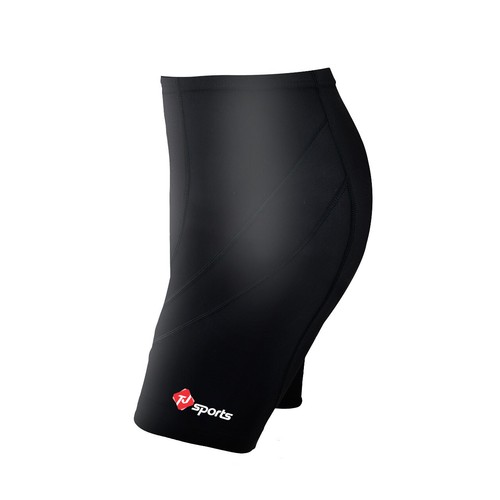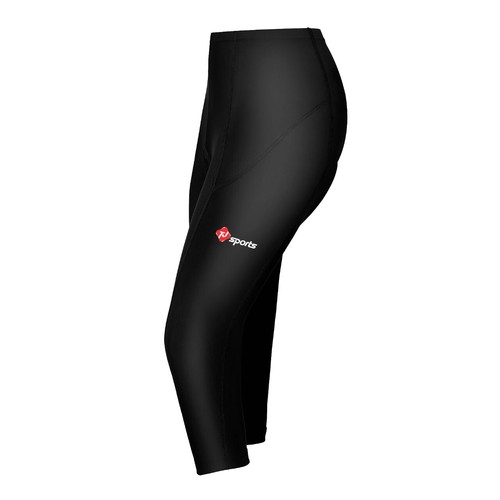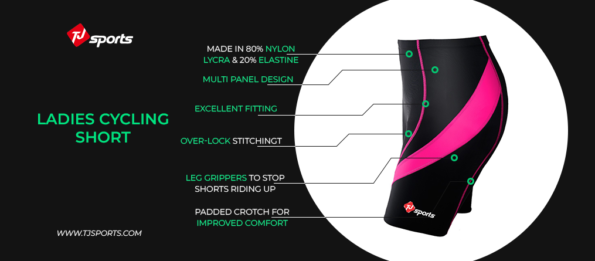
If you’ve ever finished a ride and spent the next hour waddling around like you’ve forgotten how legs work, chances are it wasn’t your fitness letting you down — it was your shorts. A good pair of women’s cycling shorts does a lot of quiet, unglamorous work: stopping chafe, keeping the chamois where it should be, and letting you focus on the ride instead of your saddle. Here are the seven features actually worth caring about.
1. A Fit Designed for a Woman’s Body
Women’s cycling shorts aren’t just smaller versions of the men’s cut. A proper women’s-specific short is shaped around a wider hip-to-waist ratio and a shorter rise, so the waistband sits comfortably without digging in and the leg panels don’t bunch up when you’re bent over the bars. This changes how the whole short behaves on the bike — less shifting, less readjusting at the lights, more time actually pedalling.
2. A Padded Chamois That Actually Suits You
The chamois (that padded insert doing the heavy lifting) is arguably the single most important part of any cycling short. For women, chamois shape and placement matter more than thickness alone, since the contact points on a saddle differ from a man’s. A well-designed pad spreads pressure evenly, stays anchored in place instead of sliding around, and reduces the friction that leads to soreness or chafing on longer efforts.
3. Choosing the Right Padding for Your Ride Length
Not every ride calls for the same pad. A quick 20-minute spin to the café doesn’t need the same cushioning as a three-hour weekend loop. Thinner, more flexible padding suits shorter, faster rides where you want to feel connected to the saddle, while thicker, multi-density padding is worth it for endurance rides where sustained pressure and vibration really add up. If you’re building up your distance, it’s worth having more than one pair so you’re not stuck with padding that’s either overkill or not enough.
4. Breathable Fabric That Works With You, Not Against You
Cycling generates heat, and if your shorts can’t manage moisture, you’re in for a sweaty, uncomfortable ride regardless of how good the chamois is. Look for fabric blends that wick sweat away from the skin and dry quickly, with enough stretch to move with your pedal stroke rather than restricting it. Breathable panelling around the seat and inner thigh area in particular makes a noticeable difference on warmer days.
5. Flat Seams to Stop Chafing Before It Starts
This one’s easy to overlook until you’re 40 kilometres in and regretting it. Raised or bulky seams rub against the skin with every pedal stroke, and over time that friction adds up to irritation in all the wrong places. Flatlock or seamless construction keeps the inner surface smooth, so there’s nothing catching or rubbing where you’re already under pressure from the saddle.
6. A Waistband That Stays Put Without Digging In
A waistband that’s too tight leaves marks and restricts your breathing when you’re working hard; one that’s too loose slides down and forces you to keep hoiking your shorts up mid-ride. The sweet spot is a wide, soft, elasticated band that sits comfortably at the natural waist or slightly below it, holding everything in place through climbs and out-of-the-saddle efforts without ever feeling like it’s cutting in.
7. Leg Grippers That Keep Everything in Place
Right at the hem, silicone leg grippers do a small but important job: stopping the shorts from riding up your thigh as you pedal. Without them, you end up with fabric bunching at the knee and skin exposed to direct contact with the saddle rail or seams — not comfortable, and not something you want to deal with an hour into a ride. A light, even gripper band is usually all it takes, without leaving the tight red mark that overly aggressive grippers can cause.
Getting the Sizing Right
Even the best-designed short won’t do its job if the size is wrong. Too tight and the fabric loses its stretch, compresses the chamois, and creates pressure points; too loose and the pad shifts around, undoing all that clever engineering. Check the brand’s specific size chart rather than assuming your usual size carries across, and pay attention to both waist and hip measurements, since cycling shorts are cut differently to everyday activewear.
Why Padded Shorts Are Worn Without Underwear
It might feel counterintuitive if you’re new to cycling, but padded shorts are designed to be worn without underwear, and there’s a good reason for it. The chamois is built to sit directly against the skin, moving with your body and maintaining consistent contact with the saddle. Adding underwear introduces extra seams and fabric layers, which increases the chance of rubbing and can shift the pad out of position. Skipping it isn’t just a quirky cycling tradition — it’s what the shorts are actually engineered for.
Wrapping It Up
Comfortable cycling shorts come down to a handful of details working together: a fit built for your body, a chamois that suits your riding style, breathable fabric, and the smaller touches like flat seams, a secure waistband, and grippers that stay put. Get the sizing right and skip the underwear, and you’ve got a setup that lets you focus on the road (or trail) ahead instead of constant readjusting.
If you’re ready to find your perfect pair, have a look through TJ Sports’ range of shorts to find the fit and padding that suits your riding.