
Nothing kills a good training session faster than your hands giving out before your muscles do. Blisters are one of the most common — and most preventable — problems lifters face, whether you’re deadlifting, rowing, or pulling through a heavy set of pull-ups. The good news is that preventing blisters when lifting is straightforward: protect the skin, fix your grip, and manage moisture. Here are nine proven tips that actually work.
Why Blisters Form When You Lift
A blister is your skin’s defence mechanism against friction. When a barbell or dumbbell handle slides and rubs repeatedly against your palm, the outer layer of skin (the epidermis) separates from the layers beneath, and fluid fills the gap. That’s the bubble you see.
The three ingredients of every lifting blister are:
- Friction — the bar moving or rotating against your skin under load.
- Pressure — heavy weight concentrating force on small areas of your palm.
- Moisture — sweaty hands soften the skin and dramatically increase friction.
Remove or reduce any of these three and blisters become far less likely. Every tip below targets at least one of them.
1. Wear Padded Weightlifting Gloves (The Single Biggest Fix)
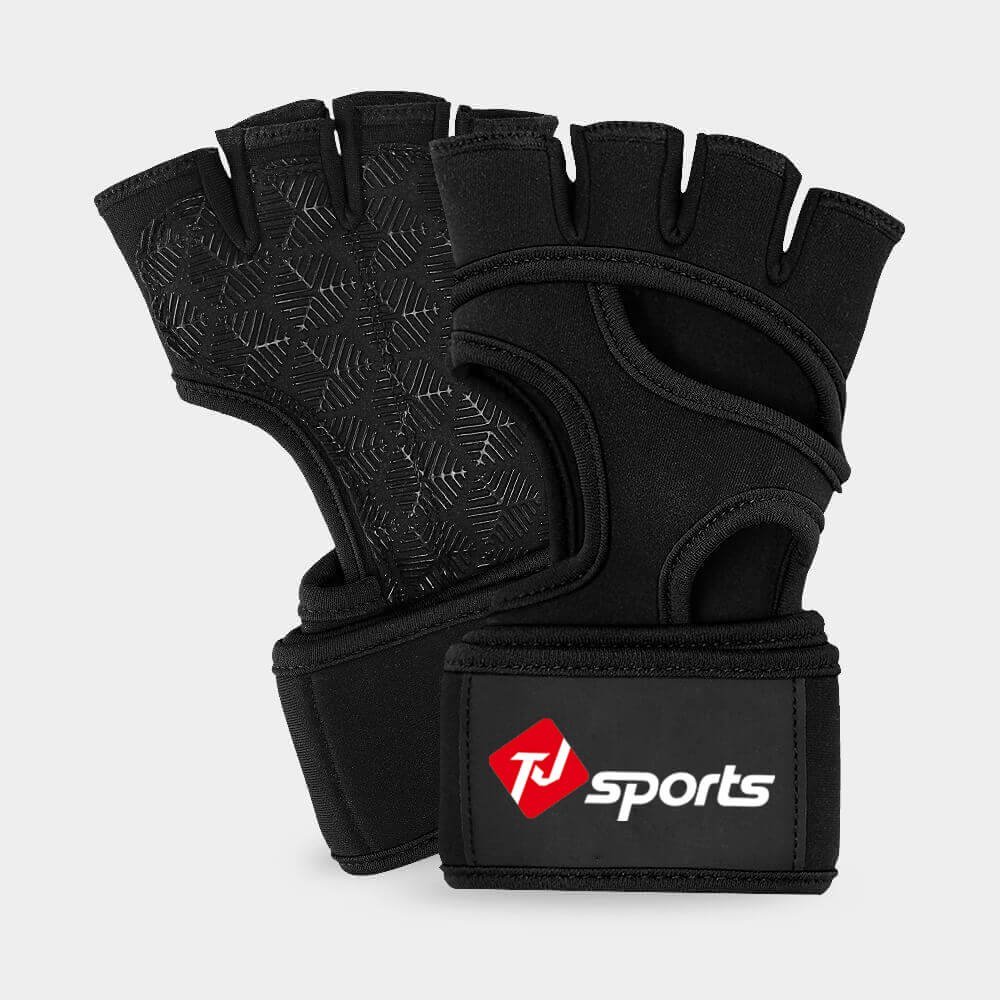
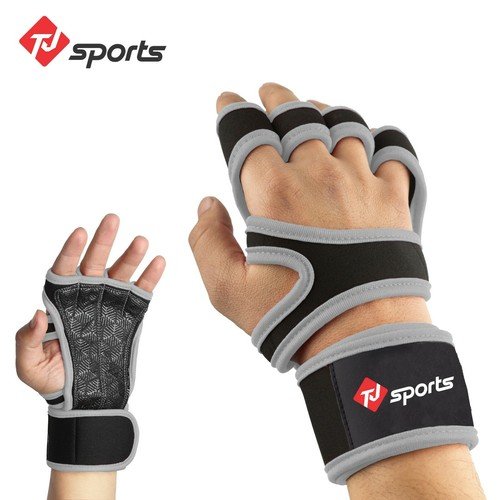
This is the number one answer for a reason: gloves put a protective barrier directly between your skin and the bar. Quality lifting gloves add cushioning exactly where blisters form — across the base of the fingers and the heel of the palm — while textured palm panels stop the bar from sliding around.
Look for gloves with genuine palm padding (not just thin fabric), breathable backs so your hands don’t overheat, and secure wrist support, because a stable wrist means a more stable grip. Pro Training Gloves Australia tick all three boxes, and if grip is your weak point, the TJ Extreme Grip Workout Gloves add an extra-grippy palm that reduces bar rotation — the main cause of friction blisters. Women’s Workout Gloves Australia offer the same protection in a fit designed for smaller hands.
One caveat: gloves need to fit properly. Gloves that are too loose will bunch and create friction, which defeats the purpose. If your gloves are new, give them a proper break-in so the padding moulds to your hands before your heaviest sessions.
2. Fix Your Grip — Don’t Let the Bar Roll
Most lifters grip the bar too deep in the palm. When you deadlift or row with the bar sitting in the middle of your palm, the weight folds your skin as the bar settles during the lift — that fold is where blisters start.
Instead, grip the bar at the base of your fingers, just above the main palm crease. Your fingers wrap around and lock the bar against the heel of your palm. The bar barely moves during the lift, which means barely any friction. This one adjustment eliminates blisters for a huge number of lifters, gloves or no gloves.
3. Use Chalk to Kill Moisture
Moist skin blisters far more easily than dry skin. Chalk (magnesium carbonate) absorbs sweat and dramatically increases friction between your hand and the bar — the good kind, the kind that stops slipping.
Use it for heavy pulling movements: deadlifts, rows, pull-ups, farmer’s carries. A light dusting on your palms and fingers is enough. If your gym doesn’t allow loose chalk, liquid chalk gives the same benefit without the mess. Either way, dry hands mean less bar movement, and less bar movement means no blisters.
4. Build Calluses — But Keep Them Filed Down
Calluses get a bad reputation, but they’re actually your body’s natural glove: thickened skin that resists friction. The problem isn’t calluses themselves — it’s unmanaged calluses.
Thick, raised calluses catch on the bar and can tear off mid-lift, which is far more painful than any blister. The fix is simple: file your calluses down with a pumice stone or callus file after a shower (when the skin is soft), keeping them level with the surrounding skin. Moisturise your hands regularly too — dry, cracked calluses snag and rip.
Think of it as maintenance: build the armour, but keep it smooth.
5. Rethink Your Hook Grip
The hook grip — thumb trapped under your fingers — is popular in Olympic lifting and heavy deadlifts, but it creates intense pressure and friction on the thumb, and thumb blisters are common in beginners.
If you’re learning the hook grip, expect some discomfort while your thumbs adapt, and tape your thumbs (see the next tip) until they do. Many lifters find the thumb skin toughens within a few weeks. Until then, don’t jump straight to your heaviest sets with a fresh hook grip.
6. Tape the Hot Spots
If you know exactly where your blisters form — usually the base of the middle and ring fingers — athletic tape or purpose-made lifting tape on those spots works as a targeted, low-profile barrier.
Tape is a great stopgap when you’ve forgotten your gloves, or for movements where you prefer bare hands but want protection on one vulnerable area. Wrap it snugly but not tight enough to cut off circulation, and replace it when it gets sweaty or starts peeling. Many experienced lifters tape every heavy pulling session as a matter of routine.
7. Rotate Your Exercises and Vary the Bars
Doing the same heavy pulling movement with the same bar, day after day, hammers the exact same skin in the exact same way. If you’re training heavy deadlifts multiple times a week and blisters keep returning, the skin simply never gets a recovery window.
Vary your grip (overhand, mixed, hook), alternate between bars with different knurling, and make sure at least one of your weekly pulling sessions is lighter. Skin adapts like muscle — it needs progressive overload and recovery. A well-planned training split that doesn’t max out your grip every session gives your hands time to toughen up.
8. Keep Your Hands Dry Between Sets
Sweat is blister fuel, so manage it actively. Towel your hands off between sets, especially on hot days or during long sessions. Wipe down bar handles too — a sweaty bar is a slippery bar, and a slippery bar rotates in your grip.
If you train in a humid gym, consider bringing a small gym towel specifically for your hands, or a wristband to stop sweat running down your forearms onto your palms. These little habits add up, particularly for lifters who sweat heavily.
9. Treat Blisters Properly So They Don’t Get Worse
Prevention is the goal, but if a blister has already formed, handle it right:
- Don’t pop it if you can avoid it. The fluid cushion protects the raw skin underneath, and intact skin keeps infection out.
- If it pops on its own, clean the area, apply antiseptic, and cover it with a blister plaster or bandage.
- Don’t train through a raw blister bare-handed. Gloves, tape, or a rest day for that hand are all better options — training on damaged skin makes it worse and invites infection.
- Watch for infection signs: increasing redness, swelling, warmth, or pus. See a doctor if these appear.
Quick-Reference: The Anti-Blister Checklist
Before every heavy pulling session, run through this:
- Gloves on (properly fitted and broken in)
- Grip the bar at the base of the fingers, not deep in the palm
- Chalk on, hands dry
- Calluses filed smooth
- Tape on any known hot spots
- Towel handy for between sets
Do this consistently and blisters stop being part of your training vocabulary.
The Bottom Line
Blisters aren’t a badge of honour — they’re a sign that something in your setup needs adjusting. Start with the highest-impact fix: a quality pair of padded weightlifting gloves that eliminate direct skin-on-bar friction. Add a better grip position, manage moisture with chalk, and keep your calluses maintained, and you’ll lift blister-free. Browse the full glove range to find your pair — your hands will thank you on every rep.
Frequently Asked Questions
Do weightlifting gloves actually prevent blisters?
Yes — gloves are the most effective blister prevention available. They place a padded barrier between your skin and the bar, eliminating the direct friction that causes blisters. Gloves with textured, grippy palms work best because they also stop the bar rotating in your hand. Just make sure they fit snugly; loose gloves can bunch and cause friction themselves.
Should I pop a blister from lifting?
Try not to. An intact blister protects the damaged skin underneath and lowers infection risk. If it bursts during training, clean it with soap and water, apply antiseptic, and cover it with a blister plaster. Avoid training bare-handed on damaged skin — use gloves or tape until it heals.
Why do I get blisters even when I wear gloves?
The most common cause is poor fit — gloves that are too big bunch up and create friction. New gloves that haven’t been broken in can also rub. Check the fit first, then break your gloves in properly so the padding moulds to your hands.
Are calluses good or bad for lifting?
Calluses are good — they’re your skin’s natural protection. They only become a problem when they’re thick and raised, because raised calluses can catch and tear off mid-lift. File them down regularly with a pumice stone and moisturise to keep them smooth and level.
Does chalk prevent blisters?
Chalk helps by absorbing sweat and keeping your hands dry, which reduces the slipping and bar rotation that cause friction blisters. It’s most useful for heavy pulling movements like deadlifts, rows, and pull-ups. Liquid chalk works just as well as loose chalk if your gym bans the loose kind.
How long does it take for lifting blisters to heal?
Small blisters typically heal within 3–7 days if left intact and protected. Larger blisters can take up to two weeks. You can usually keep training during that time — just protect the area with gloves, tape, or a blister plaster, and avoid movements that put direct pressure on the damaged skin.