
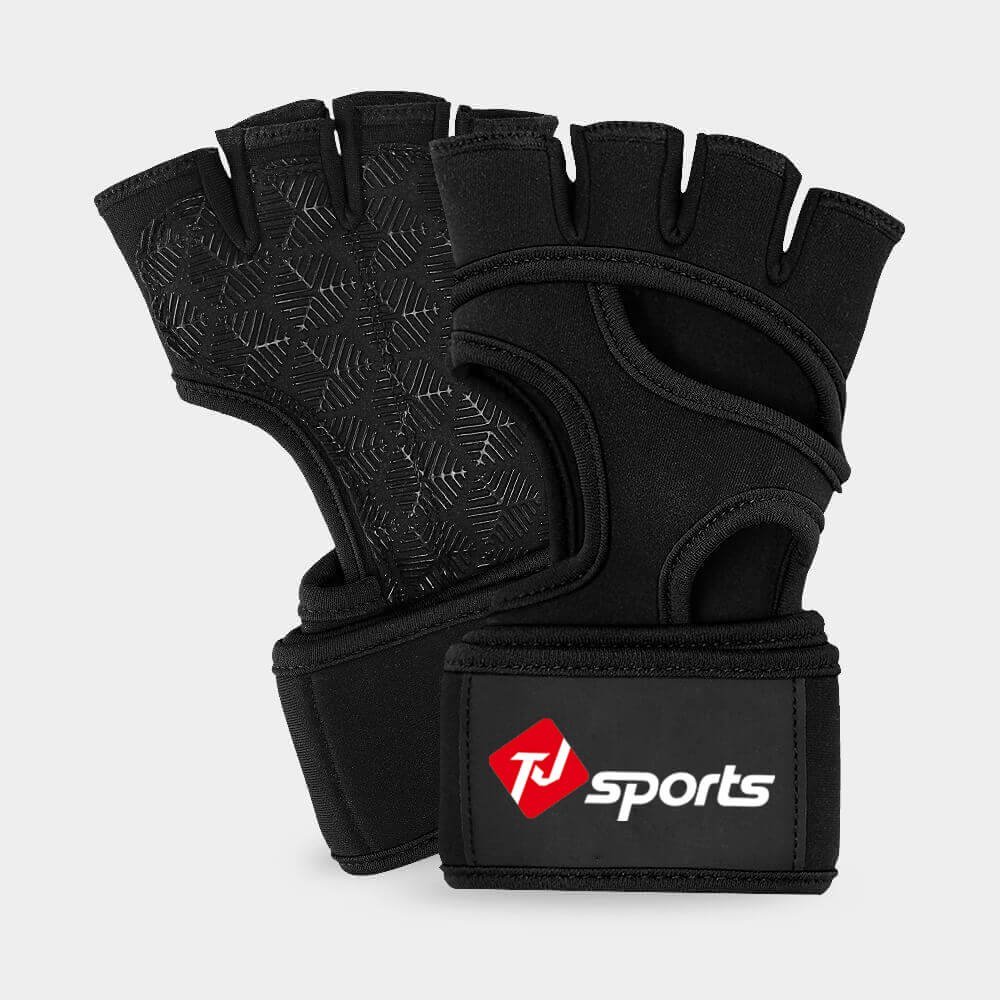
So, when should you replace gym gloves? For most lifters, every 6 to 12 months — sooner if you train heavy five days a week, longer if you’re an occasional trainer with a good care routine. But the calendar is only a rough guide. The real answer is in your hands: worn palms, dead padding, torn seams, and a smell that won’t wash out all mean your gloves have done their job.
Gym gloves don’t fail all at once. They fade gradually — a little less cushioning here, a little less grip there — until one day you realise your hands are doing all the work the gloves were supposed to do. Here’s how to spot the seven signs, what worn-out gloves are actually costing your training, and how to make the next pair last.
How Long Do Gym Gloves Last?
Lifespan depends on three things: material, training frequency, and care.
- Neoprene and synthetic gloves: typically 6–12 months of regular training. They’re comfortable and low-maintenance but the foam padding compresses over time.
- Leather gloves: often 1–2 years. Leather is tougher and moulds to your hands, but it needs occasional conditioning to avoid cracking.
- Heavy lifters (4–6 sessions a week): expect the shorter end of those ranges. More sessions, more sweat, more bar friction.
A pair that’s washed regularly and air-dried properly will comfortably outlast a pair that’s stuffed damp into a gym bag every night. Our guide to washing and caring for workout gloves covers the routine that adds months to any pair.
7 Signs It’s Time to Replace Your Gym Gloves
Run through this checklist honestly. If two or three of these sound familiar, start shopping.
1. The palm padding has gone flat
This is the number one killer. Fresh palm padding cushions your hands against the bar; over time, sweat and pressure compress the foam until it’s paper-thin. Press your thumb into the palm — if you can feel the bar through it, the padding is done. No amount of washing brings compressed foam back.
2. The grip is gone
Gloves are supposed to help you hold the bar. If your palms feel slick on pull-ups or deadlifts — even right after a wash — the textured surface has worn smooth. Slippery gloves are worse than no gloves at all, because they give you false confidence on heavy lifts.
3. Seams are splitting at the fingers
Check the stitching where the fingers meet the palm. Fraying, loose threads, or visible holes mean the glove’s structure is failing. Small splits only get bigger under load, and a finger seam blowing out mid-set on a heavy row is exactly as unpleasant as it sounds.
4. The wrist strap won’t hold
Most quality gloves — including our Pro Training Gloves Australia — come with built-in wrist support. When the Velcro stops gripping or the strap has stretched so loose it can’t be tightened, the wrist support is cosmetic only. A strap that opens mid-press is a genuine safety issue.
5. The smell survives every wash
A persistent odour that doesn’t budge after a proper wash and thorough air-dry means bacteria has worked its way deep into the padding and broken-down fibres. At that point the material itself is degrading — and you’re pressing it against your skin every session.
6. The fit has stretched out
Gloves should fit snugly, like a second skin. If yours now slide around, bunch up in the palm, or need constant adjusting between sets, the material has stretched beyond recovery. Loose gloves bunch under the bar and cause the exact blisters they were bought to prevent.
7. Visible holes, tears, or cracked leather
Holes in the palm, torn finger panels, or leather that’s dried and cracked past the point of conditioning — these are the obvious ones. But many lifters ignore them for weeks because the gloves “still work.” They don’t. Torn gloves protect nothing and can catch on knurling.
What Worn-Out Gloves Cost Your Training
It’s not just comfort. Dead gloves quietly tax your sessions:
- Blisters and callus tears. Flat padding means the bar grinds directly on your skin. One torn callus can sideline your pulling movements for a week.
- Grip fatigue. When gloves stop gripping, your forearms work overtime just to hold the bar — leaving less in the tank for the actual lift.
- Lost wrist support. A floppy wrist strap on heavy pressing is how wrists get cranky.
- Hygiene. Bacteria-soaked padding pressed against sweaty hands, session after session, is a recipe for skin irritation.
A new pair of gloves costs less than a week of missed training. If you’re on the fence, that’s the maths that matters.
How to Make Your Gym Gloves Last Longer
Good habits can easily double a pair’s lifespan:
- Wash them regularly. Every 1–2 weeks with a quick hand wash — the full method is in our workout glove wash and care guide.
- Air them out after every session. Pull them from your gym bag as soon as you get home. This single habit prevents most premature glove deaths.
- Never machine dry or use heat. Dryers, radiators, and harsh Aussie midday sun break down foam and crack leather.
- Rotate two pairs. If you train daily, alternating pairs gives each 24+ hours to dry fully — moisture is what kills padding fastest.
- Condition leather occasionally. A little leather conditioner every few months keeps leather palms supple instead of cracked.
New gloves also need a proper start: our guide on how to break in weightlifting gloves shows how to get a comfortable fit from day one without damaging them.
Repair or Replace? An Honest Answer
Small issues can be patched: a loose thread can be re-stitched, and clogged Velcro can be cleaned out with a soft brush. But repairs have limits. Re-stitching a finger seam buys you weeks, not months. Once the padding is flat, the grip surface is smooth, or the smell is permanent, no repair restores what the glove has lost — those are material breakdown, not surface damage.
Rule of thumb: if the fix takes five minutes and the gloves are otherwise healthy, repair. If you’re repairing the same pair twice, replace.
Choosing Your Next Pair
When you do upgrade, buy for your actual training:
- Heavy lifters who want wrist support: gloves with integrated wrist straps, like the Pro Training Gloves Australia or the TJ Extreme Grip Workout Gloves.
- Women’s fit: a proper women’s cut matters — see our Women’s Workout Gloves Australia.
- Material choice: neoprene is comfortable from day one and easy to wash; leather lasts longer and moulds to your hand. Our neoprene vs leather comparison breaks down the trade-off.
- Sizing: measure your hand properly — a snug fit from the start means less stretching and a longer life.
Browse the full weightlifting gloves range to find your next pair.
Frequently Asked Questions
How long do weightlifting gloves last?
Neoprene and synthetic gloves last 6–12 months of regular training; leather gloves typically last 1–2 years. Heavy lifters training 4–6 times a week will wear through pairs faster, while a good wash-and-dry routine can push any pair toward the longer end of its range.
Can you repair gym gloves or should you replace them?
Minor fixes like re-stitching a loose seam or cleaning clogged Velcro are worth doing. But flat palm padding, a worn-smooth grip surface, stretched-out fit, or a permanent smell can’t be repaired — those mean the materials have broken down and it’s time for a new pair.
Do gym gloves lose their grip over time?
Yes. The textured palm surface wears smooth with bar friction, and dried sweat and chalk residue build up in the texture. Washing restores grip for a while, but once the surface itself is worn flat, no amount of cleaning brings it back.
Is it bad to keep lifting with worn-out gloves?
It can be. Dead padding leads to blisters and torn calluses, slippery palms increase the risk of losing the bar on heavy lifts, and a failed wrist strap removes support exactly when you need it. Bacteria-soaked padding is also a hygiene risk. A new pair costs less than a week of missed training.
How often should wrist wraps be replaced?
Standalone wrist wraps generally last longer than gloves — 12–18 months — because there’s no palm padding to compress. Replace them when the elastic loses its snap, the Velcro stops holding, or the fabric frays. The same signs apply to the integrated wrist straps on gloves with built-in support.
Don’t Nurse Dead Gloves
Gym gloves are consumables, not heirlooms. When the padding’s flat, the seams are splitting, or the smell has moved in permanently, the kindest thing you can do for your training is retire them — and start the next pair with the care routine that keeps them alive twice as long.
Ready for the upgrade? The TJ Sports weightlifting gloves range is built for serious training, with integrated wrist support across the men’s and women’s styles.